Article about the project published in local newspaper
The ANDROMEDA project is driven by the ambition to create meaningful impact in modern healthcare. Our goal is to develop advanced robotic and intelligent technologies that support clinicians and improve outcomes for patients undergoing neurosurgical procedures. In highly demanding clinical environments such as neurosurgery, precision, safety, and efficiency are critical, and innovative technological solutions have the potential to significantly enhance every stage of care.

Beyond the technical development itself, achieving real impact also requires awareness, collaboration, and public engagement. For new medical technologies to reach hospitals and operating rooms, it is essential to connect with clinicians, researchers, students, institutions, and the wider community. By sharing the project’s progress and vision, we help build understanding of how robotics and artificial intelligence can contribute to safer procedures, better decision-making, and improved patient care.
For this reason, communication and outreach are an important part of the ANDROMEDA project. We want to ensure that the wider public recognizes the importance of investing in research that can directly benefit society. Raising awareness also helps inspire future engineers, scientists, and healthcare professionals to contribute to the next generation of medical innovation.
We are therefore pleased that the project was featured in the university newspaper Akademski list. This kind of visibility is valuable because it helps spread the word about the goals and potential impact of ANDROMEDA, while bringing advanced medical research closer to the academic community and the public. Every opportunity to present the project strengthens its reach and supports our mission of turning research excellence into real clinical benefit.
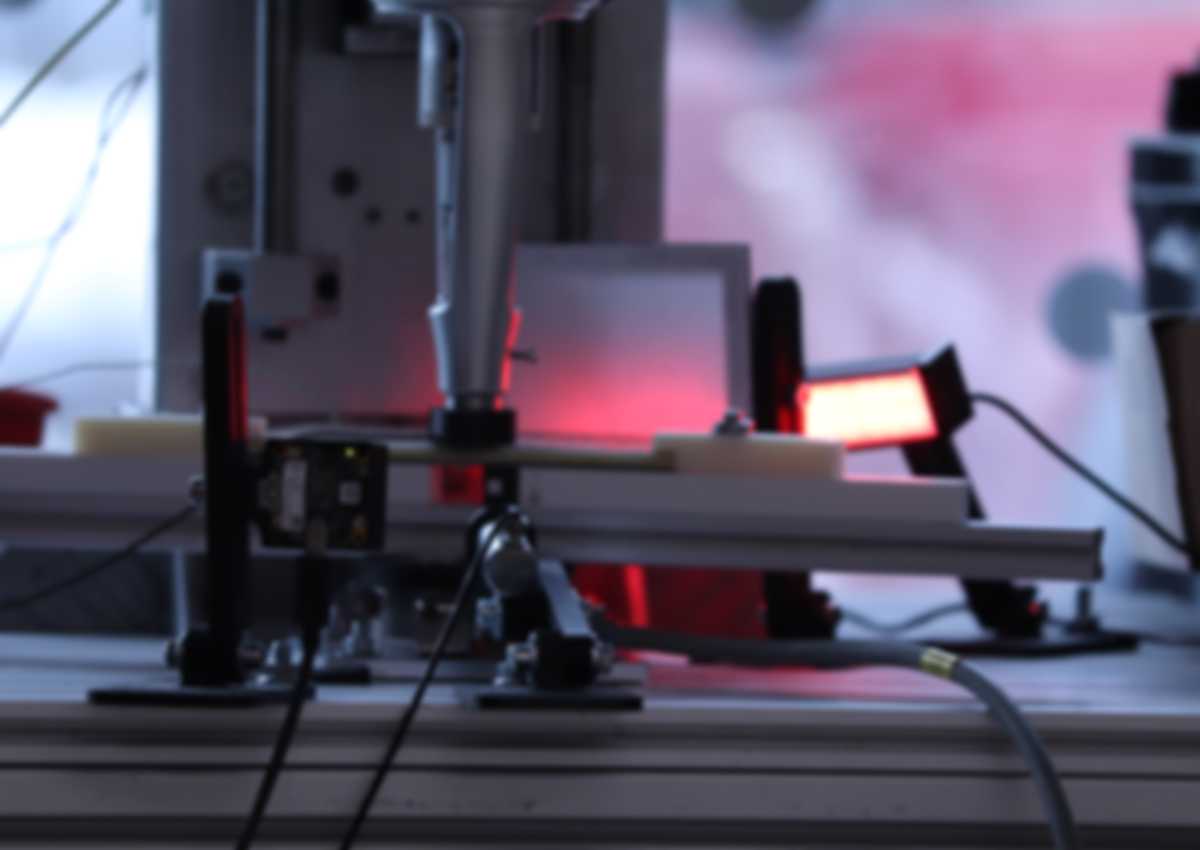
ANDROMEDA aims to create a standardized approach to the skull drilling procedure.