Medical phantoms - CT scan
Our medical phantoms are a perfect solution for laboratory testing.

To support experimental validation, several physical test models were manufactured to simulate the varying densities and structural layers of the human skull. These phantoms were produced using materials such as PLA plastic, PC plastic, and plexiglass, selected to approximate different density characteristics encountered in cranial bone. The models were used to evaluate both the developed drilling-depth estimation algorithm and the planned drilling process under controlled laboratory conditions. This provided an important first step in assessing algorithm performance and the overall feasibility of the proposed approach.
For us, however, physical testing alone is not enough. Access to reliable ground truth data is essential for developing accurate and trustworthy medical technologies. To properly validate our algorithms, robotic systems, and planning methods, we need precise reference data against which we can compare our estimations and experimental results. Without this level of validation, it would be far more difficult to quantify accuracy, identify limitations, and continuously improve system performance.
We are therefore especially grateful for our collaboration with clinicians who provide CT scans of our phantoms and other valuable reference data. These scans offer detailed structural information that can be used as ground truth for validating drilling-depth estimation, image registration, anatomical reconstruction, and procedure planning. By comparing algorithm outputs with high-quality imaging references, we can significantly strengthen the scientific reliability and clinical relevance of our research.
More broadly, collaboration remains a cornerstone of the project. The development of advanced medical robotic systems requires close cooperation between engineers, clinicians, and researchers. Clinical experts help us understand real surgical needs, define meaningful validation criteria, and guide the translation of technical innovations into practical healthcare solutions.
Our mission is to create the best possible technologies for clinicians and patients. Achieving that goal is only possible through continuous collaboration with experts and through rigorous validation based on trusted real-world data.
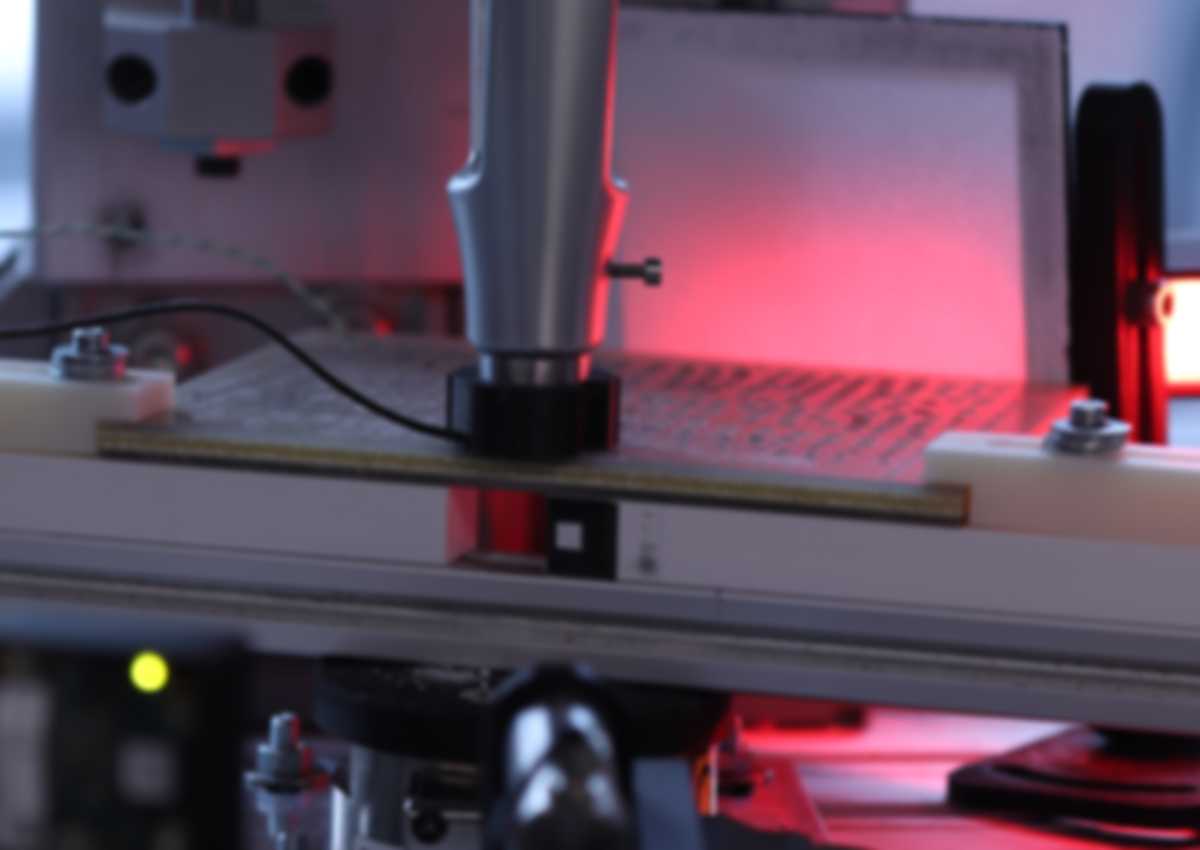
Our artificial bones serve a great purpose for experiments.